Showing posts with label Plymouth Chiropractor. Show all posts

Saturday, December 14, 2013

Car Crash May Hasten Chronic Pain

Chronic widespread pain is pain that circulates above as well as below the waist, or in both sides of the body and lasts for at least three months. It can affect anyone, and doesn’t depend on age, sex and/or patient’s lifestyle.
Recent research conducted by a group of doctors from the University of Aberdeen, Scotland showed that more than 1 in 10 people have developed chronic widespread pain caused by a traumatic event taken place during 4 years following the accident.
Further studies revealed that 43% of all patients with chronic pain had experienced a traumatic accident, surgical operation or have had broken bones over the same period of time. This information proves that car accidents together with workplace fractures and other injures can be a significant indicator of future chronic widespread pain.
To support the study, Gareth Jones, PhD., University of Aberdeen, Scotland and his colleagues turned to the Epidemiology of Functional Disorders Study conducted in northwest England. 6,290 volunteers of various age, sex, working in diverse spheres were recruited from three general practices in Manchester and were given a questionnaire with part of the questions related to chronic widespread pain.
Four years later pain-free people were invited for a second questionnaire and were asked to answer the questions. Over 11% of people reported chronic widespread pain, and 38% of them mentioned at least one traumatic experience, such as car or work accident, fracture, surgery, childbirth (for women) or inpatient treatment.
Summarizing the evidence and the facts, Jones and his colleagues determined that traffic accidents still remained a major cause of new chronic widespread pain. Nevertheless, the current research may not be fully taken into account and requires deeper analysis and supportive evidence. Therefore, in future studies researchers will try to specify what aspects of car accidents can be responsible for chronic widespread pain.


Friday, December 6, 2013

Little League Elbow

“Little League Elbow” is a throwing injury to the elbow commonly found among pre-teen and early-teenagers that play baseball or softball competitively. Injury occurs when the repetitive throwing creates an excessively strong pull on elbow tendons and ligaments. This can tear ligament and tendon away from the bone. Sometimes small fragments of bone are pulled away as well. The elbow can also become compressed, causing bones to rub together. Young athletes are particularly prone to this type of injury because their bones are immature. A child should stop throwing at the first sign of elbow pain, restricted range of elbow motion or locking of the elbow joint. Young pitchers are also advised against trying to throw a curve ball. The additional twisting motion used to make a pitch "break" is very hard on the immature elbow.

The age groups most affected are pre-high school players, anywhere from ages 10 to 15, with the peak incidence in the 12 to 14-year-old age group. Treatment and recovery depend on the severity of the injury. Recovery time ranges from 6 weeks to 3 months.

Symptoms:


 ELBOW IS SORE TO THE TOUCH AND MAY EXPERIENCE SWELLING

 SUDDEN ONSET OF PAIN & FEELS LIKE SOMETHING GIVING WAY IN THE ELBOW

 PAIN MAY BE ASSOCIATED WITH CATCHING, THROWING OVERHAND OR LOCKING OF THE ELBOW JOINT

Prevention
Prevention strategies include:
 Always warm up before pitching with light aerobic exercise, such as jogging or jumping jacks.
Always stretch your muscles slowly and gently before pitching.
Always follow the pitching rules of your baseball league and do not play in two leagues at the same time.
Limit your pitching to:
4-10 innings per week
80-100 pitches per game
30-40 pitches per practice
Learn and practice the mechanics of good pitching technique.
Do not throw curve balls and sliders until high school when the growth plate in your elbow is fused with the bone.
Treatment may include:
CHIROPRACTIC & PHYSICAL THERAPY

REST
Do not pitch or do any activities that cause elbow pain. Do not play sports, especially throwing sports, until the pain is gone.

COLD
Apply ice or a cold pack to the outside of the elbow for 15-20 minutes, 4 times a day, for several days. Wrap the ice or cold pack in a towel. Do not apply the ice directly to your skin.


Doctor Koenig can offer guidelines on exercise, conditioning techniques, nutrition, and general fitness. Of course, when treatment is needed, the chiropractor is fully equipped to manage nonsurgical treatment of typical sports injuries. Chiropractic care also works on correcting misaligned or out of place vertebrae and can remove the pressure placed on the nerve endings that line the surface of the joint and course through the space between the joints, reducing pain and improving flexibility and function. To see if chiropractic may be able to help you call (508) (746-5899) today for a complimentary consultation. Or log onto www.koenigchiro.com to book and appointment.

Monday, December 2, 2013

What is Causing the Asthma Epidemic


What is causing the Asthma Epidemic?
written by:Doctor Josh Koenig
Recent studies have showed that asthma cases have enhanced almost 60% since the middle 1980s, and the number of deaths caused by asthma grew up to 5,000 per year in the United States alone. Many of us wonder what the primary reasons of such a dramatic peak are and what can be done to prevent even a larger outbreak. 
Luckily, modern medicine in combination with the newest chiropractic approaches can minimize and even eliminate the risk of getting asthma and its complications. We don’t know why it is developing at such an alarming rate, but we DO know how to learn to control it better.
If you are in your 30s and older, you may remember that in your youth years it was very rare to find a child with asthma. But nowadays the situation is completely different; asthma has become a constant companion of everyday life. Children are the most susceptible to asthma, although adults may suffer from occasional asthma attacks as well. 
There are several causes of asthma distribution. Among them are environmental, stress and nutrition factors.
It is no surprise that the ecological situation on the planet has dramatically changed for the 3 past decades. Air, water, soil pollution led to the decreased quality of vital nutrients that flow through our bodies and new contaminants have found their way into these systems. Moreover, our insulated houses and apartments don’t let in fresh air and let out the allergens and molds thriving in any basement. In addition, modern carpets are made with formaldehyde that evaporates in the air and this is what you end up breathing in. 
Modern commercials make you buy more cleaning products for literally every object in the house to keep it free from 99% of bacteria and viruses. But it comes with a price, as they don’t only kill all the germs; they kill the healthy flora in your house.  
Another major factor that contributes to asthma is a stress factor. Stress may induce or exacerbate asthma attacks. Moving to a new house, a change of lifestyle or a job, experiencing some negative emotions—all these can trigger asthma. 
Food manufacturers, especially in the United States, add a lot of preservatives, genetically modified additives, antibiotics and etc. in products to prolong their shelf life, to taste and look better. Poor food quality in combination with excessive vaccinations, unnecessary antibiotic intake and cesarean births lead to asthma outburst. 
Asthma is a chronic disease, and cannot completely cured. But it can be successfully controlled. With the help of your primary doctor, an asthma specialist and a chiropractor, you can find the right treatment program, medication and wellness adjustments. 
Recent research shows that chiropractic patients showed a significant improvement of major asthma symptoms. Your chiropractic doctor will start with a full body evaluation, check your overall neurological and physical conditions, adjust your diet and lifestyle and help reduce stress level. 
There are several tips that can help you keep your asthma under control:
  • Choose a vegetarian-based diet. Animal products contain arachidonic acid that can cause inflammation.
  • Eat fish and other products that include Omega-3 fats
  • Include vitamin C in your diet, as it helps to reduce allergenic reactions
  • Avoid food containing MSG (monosodium glutamate) and other sulfites
  • Clean house air filters and have them checked every 3-4 months
  • Cover your bed linen, pillows and mattresses with hypoallergenic dust bed covers
  • Visit chiropractic doctor for alternative health and wellness program and physical activity adjustments
  • Use relaxation techniques (tai chi, yoga, meditation, breathing exercises and etc.) and minimize time spent in front of TV, computer and etc.
  • Use medication with precaution, as some of them (aspirin, NSAI, beta-blockers) can cause asthma to worsen
Log onto my website for more www.koenigchiro.com  

Friday, October 25, 2013

What happens at the Chiropractor

What Happens at the Chiropractors

Great article written by university of Minnesota click here for full article: http://www.takingcharge.csh.umn.edu/explore-healing-practices/chiropractic/what-happens-chiropractor
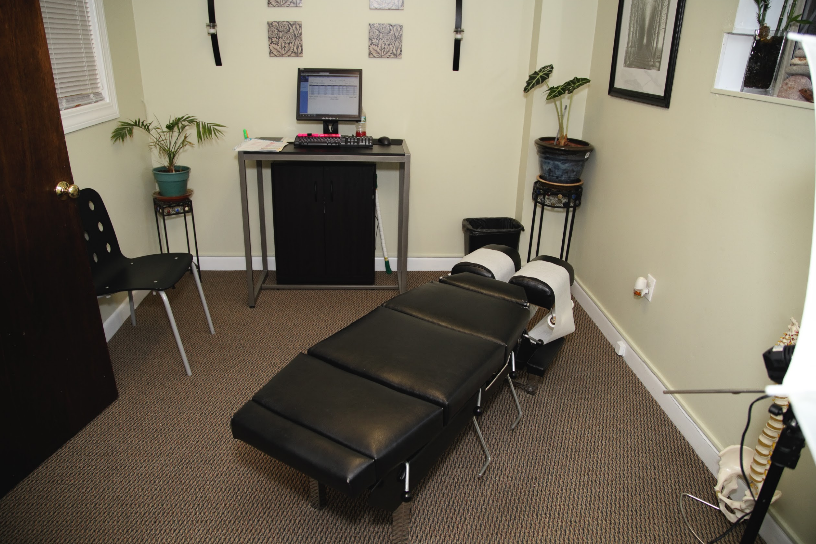
While visiting a chiropractor is similar to visiting other healthcare providers, it does have some unique elements. You will likely find the office setting and intake procedures quite familiar, but many notice the distinctive appearance of the chiropractic treatment table. These tables are often quite elaborate to allow specific positioning and movement during spinal adjustments and thus assist the chiropractic treatment.

A typical visit to a chiropractor includes an initial intake, physical exam, treatment, and follow-up plan.

What happens during the intake?

An initial chiropractic consultation is very similar to that of a standard medical intake. You will likely complete a health questionnaire and answer questions about your health history. Typically the chiropractor asks you to indicate where you are experiencing discomfort by marking the areas on a drawing of the human body.

What happens during the physical exam?

X-ray of spineThe chiropractor will start with a routine physical exam, then follow it with an exam that focuses on the spine, with particular attention given to the areas of complaint. The chiropractor will most likely examine your whole spine. For example, if you had a low back complaint, the chiropractor would also likely perform a neck exam because the adaptations resulting from injury or subluxation in one area can result in secondary irritations somewhere else in the spine.
Most often, a chiropractor will take X-rays of your spine prior to treatment. The purpose of the X-rays is to study the condition of the bony anatomy and soft tissues. It also helps the chiropractor understand the extent of wear, any anomalies in your spine, and other factors that will guide the development of the treatment plan.
The physical exam typically includes a variety of assessments, such as range of motion tests, palpation, reflex testing, muscle strength comparisons, and neurological and orthopedic tests focused on the main complaint.

What goes into a treatment plan?

Following the assessments, the chiropractor will develop a treatment plan that takes into account:
  • The extent of your injury or irritation
  • Your general health
  • The condition of your spine as affected by age and previous injury
  • What your goals are - this is most important item
Chiropractor discussing treatmentYour goals of treatment should result from the discussion you have with your chiropractor. Many people seek simple relief of pain or discomfort, while others want to begin a regimen of ongoing care meant to improve their general health.
In initial consultations, your chiropractor will tell you the status of your condition and recommend an approach to care. Ask questions. As in any professional-patient relationship, trust and mutual understanding are vitally important.

What is a typical treatment?

"Adjustments" are usually the central part of chiropractic treatment. The chiropractic adjustment is a therapeutic manipulation that uses controlled force, leverage, direction, amplitude, and velocity directed at specific joints. In other words, an adjustment involves a lot more than simply opening up a joint. Click the videos listed in the column on the left to see examples.
Woman receiving adjustmentYour chiropractor will most often make these adjustments to the spine, but he or she might adjust other joints, such as the ankle, knee, wrist, elbow, or shoulder in order to restore structural alignment or to improve joint function. Again, proper structure is necessary for proper function, and proper extremity function is an important part of healthy daily living.
When being treated for a complaint such as back or neck pain, you will most likely receive a series of adjustments, separated by either a day or a few days, to incrementally reduce the irritation and improve normal function. This might continue for several weeks, usually diminishing in frequency.
If you can't tolerate the manual adjustments, you may instead receive mild or non-force techniques.
Adjustments are often accompanied by non-manual therapies such as application of heat or ice, electrical stimulation, orthotic supports for your shoes, rehabilitative exercise, counseling about diet, weight loss, and other lifestyle factors, and nutritional supplements.
Expert Contributor: 
 Larry Kuusisto, PhD, DC

Friday, October 18, 2013

“What type of education do chiropractors receive?”

Chiropractic Education
In some recent surveys it was surprising to note that some people were unaware of the educational level of a Doctor of Chiropractic. The basic question was, "Is the education of a Doctor of Chiropractic at the same level as a Medical Doctor?" The correct answer is, of course, yes. Doctors of Chiropractic undergo a rigorous and demanding professional education equivalent to any other primary care provider. To obtain a Doctor of Chiropractic degree, they must complete several years of prerequisite undergraduate education and spend nearly the same number of classroom hours at a fully-accredited chiropractic college as MDs do in medical schools. Student doctors are thoroughly trained in the appropriate use of sophisticated analytical equipment including X-rays, examination procedures, and state of the art chiropractic investigative technologies. Before they can practice, all Doctors of Chiropractic must pass a series of National Boards, as well as a licensing exam for the state in which they choose to practice. Even after all that, most states require the doctors to attend clinical continuing education programs for annual relicensure.

What does it take to become a Chiropractor?

According to many sources Chiropractic is the second largest health care profession. Some articles and authors have referred to chiropractic as alternative . This label may not fit in the face of the growing numbers of people seeking chiropractic care. In the 1998 issue of the Archives of Internal Medicine is an article on chiropractic that makes a profound statement, Even to call chiropractic alternative is problematic, in many ways it is distinctly mainstream.

Even with all this growth and increased usage, many people are unaware of the rigors of a chiropractic education.

In order to become a Doctor of Chiropractic chiropractic students must go through college and a chiropractic program every bit as strenuous and in-depth as other health care practitioners. To help demonstrate this better, the following charts are given.

Comparison of Hours of Basic Sciences Education in Medical and Chiropractic Schools

Chiropractic SchoolsMedical Schools
Hours% of TotalHours% of Total
Anatomy
Biochemistry
Microbiology
Public Health
Physiology
Pathology

Total Hours
570
150
120
70
305
205

1,420
40
11
8
5
21
14

100
368
120
120
289
142
162

1,200
31
10
10
24
12
14

100

Comparisons of the Overall Curriculum Structure for Chiropractic and Medical Schools
Chiropractic SchoolsMedical Schools
MeanPercentageMeanPercentage
Basic science hours
Clinical science hours
Chiropractic science hours
Clerkship hours
Total Contact Hours
1416
3406
1975
1405
4822
29%
71%
41%
29%
100%
1200
3467
0
3467
4667
26%
74%
0
74%
100%

Source for both above charts: Center for Studies in Health Policy, Inc., Washington, DC. Personal communication of 1995 unpublished data from Meredith Gonyea, PhD. http://www.chiroweb.net/chiropractic/research/chiropractic_education.html

Thursday, October 17, 2013

Plymouth Chiropractor helps YMCA Camp Clark

Koenig Family Chiropractic is raising money for local youth and YMCA. We are selling the new Koenig Family Chiropractic Logo T-shirts for a donation of $10-15 dollars with 100% of that money going directly to the Old colony YMCA. Dr. Koenig is on the board of the Plymouth YMCA and believes in giving back to the community,especially the YMCA with all they do for the youth in the area. The YMCA in Plymouth has many after school programs which are a great fit for children who need care which fits with both work and school schedules. Children can choose from a wide variety of activities including arts & crafts, reading, sports, games, plus field trips, themed special events, team building activities, and more! The YMCA also offers many experiences at Camp Clark here in Plymouth.

Camp Clark has a strong tradition of encouraging the physical and emotional growth of each child passing through our gates.

Camp is an experience for youngsters to challenge themselves, to develop new skills, and to build new friendships. It is also an opportunity for children to grow under the guidance of caring staff.

Log onto their website at:http://www.oldcolonyymca.org/camp-clark to learn more

Tuesday, October 15, 2013

What is a Spinal Adjustment?

Chiropractic has been helping people with musculoskeletal pain for over 110 years. Medical studies have shown that chiropractic can be effective at treating back pain, sciatica, neck pain, dizziness, and even high blood pressure. Millions of people have benefited from the natural approach of chiropractic.
The word chiropractic comes from the Greek “chiros” and “praktikos,” meaning “done by hand.” The technique of chiropractic was first developed by DD Palmer in 1895, and the theory of chiropractic was based on the concept that dysfunction in the spine can alter the function of the nervous system and create pain and illness.
Since 1895, our knowledge of neurology and biochemistry has grown exponentially, and over the last 20 years, modern science has made great strides in explaining how chiropractic works.
Here is a video that shows you what to expect with a spinal adjustment as well as the defintion and write ups from wikipedia for one seeking alot of information on spinal adjustments.


Spinal adjustment definition from Wikipedia, the free encyclopedia


For the generic approach to manipulation of spinal joints, see Spinal manipulation.

A chiropractor performs an adjustment on a patient.

Spinal adjustment and chiropractic adjustment are terms used by chiropractors to describe their approaches to spinal manipulation, as well as someosteopaths, who use the term adjustment.

Claims made for the benefits of spinal adjustments range from temporary, palliative (pain relieving) effects to long term wellness and preventive care. Chiropractic techniques were invented in the 19th century by Daniel David Palmer, a "magnetic healer". There is no good evidence that it is effective against disease.[1]

Contents [hide]
1 Adjustment/manipulation
1.1 Defined as unique to chiropractic
1.2 Intention: to correct vertebral subluxations
2 Adjustment methods
2.1 Adjustment techniques
3 Effects
4 Safety
5 See also
6 References
7 External links
Adjustment/manipulation[edit]

In a section entitled "Spinal Manipulation: The Chiropractic Adjustment", chiropractic authors and researchers Meeker and Haldeman write that the core clinical method that all chiropractors agree upon is spinal manipulation, although chiropractors much prefer to use the term spinal "adjustment", a term which reflects "their belief in the therapeutic and health-enhancing effect of correcting spinal joint abnormalities." (p. 218)[2]
Defined as unique to chiropractic[edit]

The International Chiropractor's Association (ICA) states that the "chiropractic spinal adjustment is unique and singular to the chiropractic profession", and that it "is characterized by a specific thrust applied to the vertebra utilizing parts of the vertebra and contiguous structures as levers to directionally correct articular malposition. Adjustment shall be differentiated from spinal manipulation in that the adjustment can only be applied to a vertebral malposition with the express intent to improve or correct the subluxation, whereas any joint, subluxated or not, may be manipulated to mobilize the joint or to put the joint through its range of motion... Chiropractic is a specialized field in the healing arts, and by prior rights, the spinal adjustment is distinct and singular to the chiropractic profession."[3] One author claims that this concept is now repudiated by mainstream chiropractic.[4] The definition of this procedure describes the use of a load (force) to specific body tissues with therapeutic intent. This ‘load’ is traditionally supplied by hand, and can vary in its velocity, amplitude, duration, frequency, and body location (p. 218)[2] and is usually abbreviated HVLA (high velocity low amplitude) thrust.[5][6]
Intention: to correct vertebral subluxations[edit]

The intention of a chiropractic adjustment is to affect or correct the alignment, motion and/or function of a vertebral joint.[citation needed] Specifically, they are intended to correct "vertebral subluxations", the term given to the signs and symptoms that are said by chiropractors to result from abnormal alignment of vertebrae. (p. 218)[2] This intention forms the legal and philosophical foundation of the profession, and US Medicare law formulates it in this manner:"Coverage of chiropractic services is specifically limited to manual manipulation of the spine to correct a subluxation... Medicare will not pay for treatment unless it is 'manual manipulation of the spine to correct a subluxation'."[7]
Adjustment methods[edit]

As the chiropractic profession engaged in the pursuit of improving health through adjustments to the nervous system, individual practitioners and institutions proposed and developed various proprietary techniques and methods.[citation needed] While many of these techniques did not endure, hundreds of different approaches remain in chiropractic practice today. Not all of them involve HVLA thrust manipulation. Most cite case studies, anecdotal evidence, and patient testimonials as evidence for effectiveness. These techniques include:
Toggle Drop - this is when the chiropractor, using crossed hands, presses down firmly on a particular area of the spine. Then, with a quick and precise thrust, the chiropractor adjusts the spine. This is done to improve mobility in the vertebral joints.
Lumbar Roll (aka side posture) - the chiropractor positions the patient on his or her side, then applies a quick and precise manipulative thrust to the misaligned vertebra, returning it to its proper position.
Release Work - the chiropractor applies gentle pressure using his or her fingertips to separate the vertebrae.
Table adjustments - The patient lies on a special table with sections that drop down. The chiropractor applies a quick thrust at the same time the section drops. The dropping of the table allows for a lighter adjustment without the twisting positions that can accompany other techniques.
Instrument adjustments - often the gentlest methods of adjusting the spine. The patient lies on the table face down while the chiropractor uses a spring-loaded activator instrument to perform the adjustment. This technique is often used to perform adjustments on animals as well.
Manipulation under anesthesia (MUA) - this is performed by a chiropractor certified in this technique in a hospital outpatient setting when the patient is unresponsive to traditional adjustments.
Adjustment techniques[edit]

There are many techniques which chiropractors can specialize in and employ in spinal adjustments. Some of the most notable techniques include:
Activator Methods - uses the Activator Adjusting Instrument instead of by-hand adjustments to give consistent mechanical low-force, high-speed clicks to the body. Utilizes a leg-length analysis to determine segmental aberration.
Active Release Techniques - soft tissue system/movement based massage technique that treats problems with muscles, tendons, ligaments, fascia and nerves.
Bio-Geometric Integration - a framework for understanding the body's response to force dynamics. Can be utilized with many techniques. Focuses on the body's full integration of forces and on assessment for choosing the most appropriate adjustive force application, ranging from light pressure to traditional joint cavitation, for each particular case presentation.
Blair Upper Cervical Technique - an objective upper cervical technique focusing primarily on misalignments in the first bone of the spine (Atlas) as it comes into contact with the head (Occiput).
Cox Flexion-Distraction - a gentle, non-force adjusting procedure which mixes chiropractic principles with osteopathic principles and utilizes specialized adjusting tables with movable parts.
Hole-in-one technique - developed by B.J. Palmer. He, at some point, claimed that the "pure, unadulterated & straight" chiropractors should only treat the upper two cervical vertebrae (C1-C2), which is the cause of most, if not all, disorders by being misaligned.
Directional Non-Force Technique - utilizes a diagnostic system for subluxation analysis consisting of gentle challenging and a unique leg check allowing the body to indicate the directions of misalignment of structures that are producing nerve interference. A gentle but directionally specific thumb impulse provides a long lasting correction to bony and soft tissue structures.
Diversified - the classic chiropractic technique, developed by D.D. Palmer, DC. Uses specific manual thrusts focused on restoring normal biomechanical function. Has been developed to adjust extremity joints as well.
Gonstead Technique - Developed by an automotive engineer turned chiropractor, this technique uses a very specific method of analysis by the use of nervoscopes, full spine x-rays and precise adjusting techniques that condemns "torquing" of the spine, which may harm the Intervertebral disc.
Kale Technique (Specific Chiropractic) - gentle technique which utilizes a special adjusting table that helps adjust and stabilize the upper cervical region surrounding the brain stem.
Logan Basic Technique - a light touch technique that works to "level the foundation" or sacrum. Its concept employs the use of heel lifts and specific contacts.
NUCCA Technique - manual method of adjusting the atlas subluxation complex based on 3D x-ray studies which determine the correct line of drive or vector of force.
Orthospinology Procedure - is a method of analyzing and correcting the chiropractic upper cervical subluxation complex based on vertebral alignment measurements on neck x-rays taken from three different directions. The adjustment can be delivered by hand, hand-held or table mounted instruments along a pre-calculated vector using approximately 1 to 7 pounds of force. The patient is in a side-lying posture with a solid mastoid support. The procedure is based on the work of the late John F. Grostic, D.C.
Thompson Terminal Point Technique (Thompson Drop-Table Technique) - uses a precision adjusting table with a weighing mechanism which adds only enough tension to hold the patient in the "up" position before the thrust is given.
Toggle Recoil Technique - a quick thrust and release to the upper cervical vertebra, the recoil is to allow the vertebra to oscillate into its proper position.

Over the years, many variations of these techniques have been delivered, most as proprietary techniques developed by individual practitioners. WebMD has made a partial list:[8]


Activator technique
Advanced BioStructural Correction
Applied Kinesiology
Atlas Orthogonal
Auricular
Barge Analysis
Bio Magnetic
Bio-Energetic Synchronization
Bio-Geometric Integration
Biomechanics

Blair
Body Restoration Technique
Carver Technique
Cervical Care
Cervical Drop
Chiropractic Biophysics
Clinical Kinesiology
Concept Therapy
Contact Reflex Analysis
Cox

Craniosacral Therapy
Directional Non-Force
Diversified technique
Flexion-Distraction
Gonstead
Grostic
Hole in one [HIO]
Kale
Leander
Logan Basic

Manual Adjusting
Meric
Motion Palpation
Network
Neural Organization Technique
Neuro Emotional Technique
Neuro Muscular Technique
Neuro Vascular Technique
Nimmo
Palmer Package

Pettibon
Pierce
Pierce Stillwagon
Pro-Adjuster
Receptor Tonus
Sacral Occipital Technique (SOT)
Soft Tissue Orthopedics
Spinal Biomechanics
Spinal Biomedical Engineering
Spinal Biophysics

Thompson
Thompson Terminal Point
Toftness
Toggle Recoil
Torque Release
Total Body Modification
Traction
Upper Cervical
Vector Point Therapy
Versendaal

Effects[edit]

The effects of spinal adjustment vary depending on the method performed. All techniques claim effects similar to other manual therapies, ranging from decreased muscle tension to reduced stress. Studies show that most patients go to chiropractors for musculoskeletal problems: 60% with low back pain, and the rest with head, neck and extremity symptoms. (p. 219)[2] Also the article "Chiropractic: A Profession at the Crossroads of Mainstream and Alternative Medicine" states that, “chiropractic was to be a revolutionary system of healing based on the premise that neurologic dysfunction caused by ‘impinged’ nerves at the spinal level was the cause of most dis-ease”. (p. 218)[2] The mechanisms that are claimed to alter nervous system function and affect overall health are seen as speculative in nature, however, clinical trials have been conducted that include “placebo-controlled comparisons [and] comparisons with other treatments”. (p. 220)[2] The American Chiropractic Association promotes chiropractic care of infants and children under the theory that “poor posture and physical injury, including birth trauma, may be common primary causes of illness in children and can have a direct and significant impact not only on spinal mechanics, but on other bodily functions”.[9]

The effects of spinal manipulation have been shown to include: temporary relief of musculoskeletal pain, increased range of joint motion, changes in facet joint kinematics, increased pain tolerance and increased muscle strength. (p. 222)[2] Common side effects of spinal manipulative therapy (SMT) are characterized as mild to moderate and may include: local discomfort, headache, tiredness, or radiating discomfort. (p. 222)[2]
Safety[edit]
See also: Spinal manipulation#Safety

The World Health Organization states that when "employed skillfully and appropriately, chiropractic care is safe and effective for the prevention and management of a number of health problems."[10]As with all interventions, there are risks associated with spinal manipulative therapy (SMT). Common, but nonserious side effects include: discomfort, headache, and fatigue which will go away after 24 to 48 hours. Extremely infrequent, but potentially serious side effects include: strokes, spinal disc herniation, vertebral and rib fractures and cauda equina syndrome. (p. 222).[2][11]
See also[edit]
Chiropractic history
Cracking joints
Joint manipulation
Osteopathic manipulative medicine
References[edit]

Jump up^ "Sense about Chiropractic". Sense About Science. Retrieved 31 December 2012.
^ Jump up to:a b c d e f g h i Meeker WC, Haldeman S (2002). "Chiropractic: A Profession at the Crossroads of Mainstream and Alternative Medicine" (PDF). Ann Intern Med 136 (3): 216–27. doi:10.7326/0003-4819-136-3-200202050-00010. PMID 11827498.
Jump up^ ADJUSTMENT AND SPINAL MANIPULATION ICA Policy Statements: Spinal Adjustment and Spinal Manipulation. ICA.
Jump up^ David Chapman-Smith (2000). The Chiropractic Profession: Its Education, Practice, Research and Future Directions. NCMIC Group. p. 160. ISBN 1-892734-02-8.
Jump up^ A.Lisi, M.Bhardwaj. Chiropractic High-Velocity Low-Amplitude Spinal Manipulation in the Treatment of a Case of Postsurgical Chronic Cauda Equina Syndrome. Journal of Manipulative and Physiological Therapeutics, Volume 27, Issue 9, Pages 574-578
Jump up^ Peter Gibbons, Philip Tehan. Manipulation of the spine, thorax, and pelvis: an osteopathic approach
Jump up^ American Chiropractic Association "Commentary on Centers for Medicare and Medicaid Services (CMS)/PART. Clinical Documentation Guidelines"
Jump up^ Chiropractic Applications. WebMD
Jump up^ American Chiropractic Association (1994). "Infant and child care policy". Dyn Chiropr 12 (17).
Jump up^ WHO guidelines on basic training and safety in chiropractic, World Health Organization, Geneva, 2005. ISBN 92-4-159371-7. available online
Jump up^ Senstad O, Leboeuf-Yde C, Borchgrevink C (February 1997). "Frequency and characteristics of side effects of spinal manipulative therapy". Spine 22 (4): 435–40; discussion 440–1. doi:10.1097/00007632-199702150-00017. PMID 9055373.

Monday, October 14, 2013

Stress Solutions


The Effects of Stress

Stress is the body's reaction to any change that requires an adjustment or response. The body reacts to these changes with physical, mental, and emotional responses.
Stress is a normal part of life. Many events that happen to you and around you -- and many things that you do yourself -- put stress on your body. You can experience stress from your environment, your body, and your thoughts.

How Does Stress Affect Health?

The human body is designed to experience stress and react to it. Stress can be positive, keeping us alert and ready to avoid danger. Stress becomes negative when a person faces continuous challenges without relief or relaxation between challenges. As a result, the person becomes overworked and stress-related tension builds.
Stress that continues without relief can lead to a condition called distress -- a negative stress reaction. Distress can lead to physical symptoms including headaches, upset stomach, elevated blood pressure, chest pain, and problems sleeping. Research suggests that stress also can bring on or worsen certain symptoms or diseases.
Stress also becomes harmful when people use alcohol, tobacco, or drugs to try and relieve their stress. Unfortunately, instead of relieving the stress and returning the body to a relaxed state, these substances tend to keep the body in a stressed state and cause more problems. Consider the following:
  • Forty-three percent of all adults suffer adverse health effects from stress.
  • Seventy-five percent to 90% of all doctor's office visits are for stress-related ailments and complaints.
  • Stress can play a part in problems such as headaches, high blood pressure, heart problems, diabetes, skin conditions, asthma, arthritis, depression, and anxiety.
  • The Occupational Safety and Health Administration (OSHA) declared stress a hazard of the workplace. Stress costs American industry more than $300 billion annually.
  • The lifetime prevalence of an emotional disorder is more than 50%, often due to chronic, untreated stress reactions.

    This was a great article written by webmd for whole article :http://www.webmd.com/mental-health/effects-of-stress-on-your-body


    Here is a great explanation from fellow chiropractor.

Thursday, October 10, 2013

Chiropractor for children in Plymouth,MA

Why should you bring your child to a chiropractor? Kids play harder than any adult could ever imagine. They play outside all day, swinging, falling, playing sports,knocking each other over, big spills, going till they almost fall asleep.
If you played like a child everyday to the level of exhaustion like they do you would be as sore as running a ultra marathon! Kids handle this everyday activity like its nothing because they feel no pain. Children's bodies are made exactly the same as an adults.90 percent of our clients now realize that the issues they are experiencing as adults where results of childhood injuries. That's why we save hundreds of children from suffering from adult pain and issues!